


Please Leave Us A Message
Privacy statement: Your privacy is very important to Us. Our company promises not to disclose your personal information to any external company with out your explicit permission.
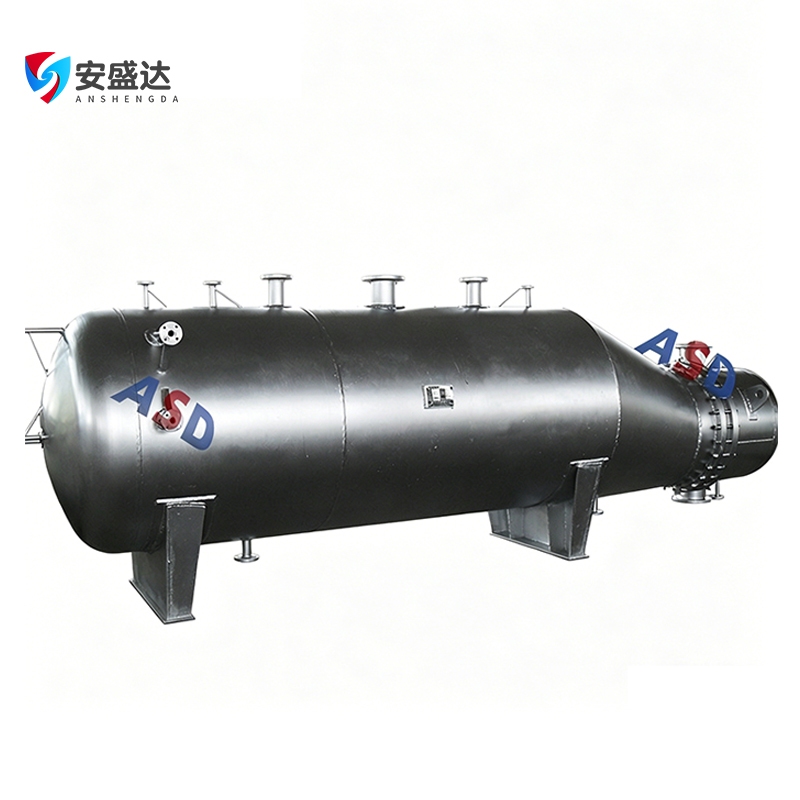
Unlike ordinary industrial containers, high‑Quality Pressure Vessels must pass strict pressure‑resistance, corrosion‑resistance and welding‑quality inspections before leaving the factory. Working under alternating temperature and pressure conditions, these devices handle steam, corrosive solvents and high‑temperature fluid media day and night. Poor material selection or rough manufacturing will easily cause leakage, shutdown accidents and even safety hazards. That is why many reliable manufacturers adopt stainless steel as core raw material for Stainless Steel Containers, delivering products that adapt to harsh working environments.
A real‑world case from a regional fine‑chemical enterprise shows the value of qualified equipment. The plant once adopted low‑cost carbon‑steel heat‑exchange equipment for its reaction‑system cooling loop. Within 14 months, inner‑wall corrosion emerged, triggering frequent unplanned downtime, raising maintenance costs and delaying product delivery cycles. Later, the enterprise replaced old units with customized shell‑and‑tube equipment made from stainless steel. As key durable steel vessels, the new devices resist medium erosion effectively. After more than three years of continuous running, there is no obvious corrosion or sealing failure. The factory cuts annual maintenance expenditure by 38% and achieves stable production output.
Industry insiders point out that many buyers only focus on purchase price when sourcing high‑quality Pressure Vessels, ignoring material certification, welding process standards and post‑delivery inspection reports. Stainless steel containers are not one‑size‑fit‑all goods. Engineers need to confirm working pressure, operating temperature, medium composition and installation space before customizing dimensions, tube layout and flange standards. Improper parameter matching will shorten service life sharply, even if premium steel is used.
For end‑users, total‑cost‑of‑ownership should take priority over initial procurement expense. Reliable durable steel vessels reduce shutdown loss and replacement frequency. Qualified high‑quality pressure vessels need complete material test reports, pressure‑test records and third‑party certification. Stainless steel containers for corrosive working conditions also require strict surface treatment to avoid stress‑corrosion cracking.
As global chemical and biopharmaceutical manufacturing keeps expanding, market demand for customized industrial pressure‑bearing equipment keeps rising. Manufacturers who stick to strict production standards will gain long‑term trust from global buyers. Enterprises should cooperate with experienced suppliers, clarify working‑condition parameters, and complete acceptance checks strictly upon equipment arrival, to secure stable and safe factory operation.
Email to this supplier
Privacy statement: Your privacy is very important to Us. Our company promises not to disclose your personal information to any external company with out your explicit permission.
Fill in more information so that we can get in touch with you faster
Privacy statement: Your privacy is very important to Us. Our company promises not to disclose your personal information to any external company with out your explicit permission.